Tuesday, 13 December 2011

Improve your green credentials in the bathroom


According to Defra.gov.uk, we use 150 litres of water per person, per day, in England - compared with the German average of 127 litres. Across Europe as a whole, water usage is about 20 litres less than in the UK.

If it’s old, then your bathroom is unlikely to be fitted with any water saving technology. Your toilet could be using thirteen gallons per flush, and if it was fitted before 1991 it will be using at least nine litres per flush. Toilets installed between 1991 and 2001 are likely to use approx 7.5 litres per flush, while a modern (post 2001) toilet uses six litres as standard.

A ‘toilet Hippo’ installed in your toilet cistern can reduce wasted water by up to three litres on each flush, helping you to save money as well as water. And if your bathroom is due for renovation, remember that a modern dual flush toilet will use a maximum of six litres per flush on its long flush option and only around two litres on a short flush.

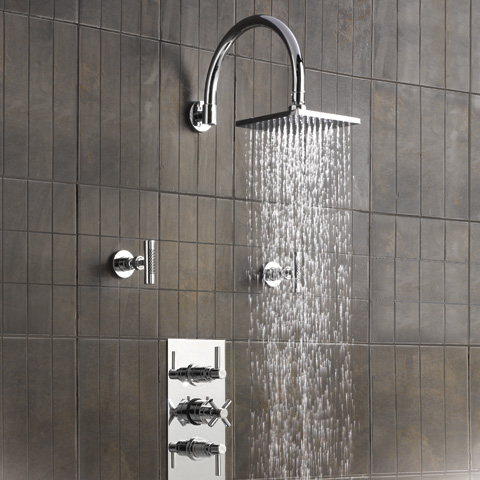
In addition, the government recommends that we each try to ensure we shower for no more than five minutes per day, to conserve water. But what if you could still save water without compromising on the occasional luxurious, stress-busting ten minutes plus? Try fitting your shower with a ‘low-flow’ shower head. There are two types: aerating and non-aerating. A non-aerating head has smaller holes, restricting the flow of water and producing a hard, massaging spray; an aerating head mixes air with the water for a softer, bubblier shower.

And it’s not just water saving that should be of interest to us. All of our natural resources should be conserved where possible. So if you’re serious about living a green lifestyle, any bathroom renovation that you consider should incorporate the use of sustainable materials in bathroom furniture and flooring, and you should also try to incorporate recycled pieces where possible.
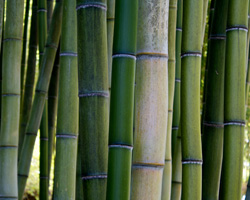
This could mean opting for new bathroom furniture made from sustainable materials such as bamboo, or it could mean recycling or repurposing.


Websites such as Freecycle are a great resource: things that other people don’t want any more are not necessarily rubbish, and you could pick up some gems. The same goes for larger charity shops, where you can often find items of furniture. Keep an eye out for second hand bathroom items such as freestanding baths and washstands, or cupboards which could be pressed into service as bathroom cabinets or storage units. Almost anything you need, including wall and floor tiles, can be bought second hand or salvaged: an eclectic room scheme will use the variability inherent in this kind of product sourcing to its advantage.

Think laterally, too, about non-bathroom items (such as tables and chests of drawers) which could be given a new lease of life in your bathroom. It doesn’t take much effort to give an old set of drawers a sanding down, a coat of wood stain or a lick of paint, and fit it with a vessel basin and bathroom tap, but this will give you a unique vanity unit, designed to your personal specifications, for your bathroom.

Then there’s flooring. Using sustainable materials here can be a fabulous idea: cork is naturally resistant to rotting, is warm underfoot, and is sustainably produced - mature trees are harvested and left to grow, rather than being felled and re-planted like wood-producing forests. Bamboo flooring is similar to solid wood in both appearance and aftercare requirements, but is fast growing, meaning that stocks can be replenished almost as quickly as they’re used.  

Finally, make sure that you dispose responsibly of your old bathroom items: recycle or reuse elsewhere if you can, and consider donating your sanitaryware or bathroom furniture through Freecycle or your local charity furniture shop to benefit someone else’s green bathroom renovation.

Tuesday, 29 November 2011

A botanical bathroom


As we move into a colder time of year, my thoughts have moved to warming up my bathroom for the chilly mornings to come. I’ve been looking at paints and accessories, as a simple and inexpensive way of updating my bathroom to suit my current mood. But this got me to thinking: if I was to completely remodel my bathroom, what would my ideal be?

Well, I love bathroom furniture. And what’s not to love? It offers style, coordination, and more storage space than you can shake a stick at (wherever did that phrase come from, anyway?). I’m a hoarder, so those cupboards and drawers are always going to come in handy. You can choose from such a wide range of finishes – a range of wooden tones, monochrome pieces, or an array of colours - and you’ve got the option of either solid wood or else veneered or laminate cabinets. Plus, whether you love a cool and contemporary style or you’re a traditionalist at heart, there’s an option out there for you!

Warm, neutral tones are a great idea at this time of year, and really appeal to me. A neutral paint or tile palette looks great with wooden bathroom cabinets, while to keep your bathroom flooring both looking and feeling warm, try a mocha or chocolate tile with underfloor heating for the cooler months.  If you love the look of wood flooring, but are concerned about using wood in a high-moisture area (it’s not recommended), you may be interested in wood effect tiles or wood effect customised vinyl flooring such as Karndean.

Decorating a bathroom in a botanical theme could add a little of the wow factor to your warm, natural space. There are some gorgeous textured and patterned wallpapers out there which, used on the top portion of a part tiled wall (and kept away from the shower and basin splashback areas), could add interest and contrast to your bathroom. Greens manage to be both fresh and warm, while browns and russets are more traditionally warm, autumnal colours. Choose something that you love, and choose a wallpaper that will cope with the humid conditions of a typical bathroom: washable vinyl wallpaper is a good choice.

If you prefer to keep things sleek and contemporary, consider a wholly tiled bathroom where the use of subtle patterns and the application of rich hues can add texture and interest while maintaining a clean, contemporary look. Use reflective surfaces to enhance the feeling of space in your bathroom, and build upon your warm neutral theme with bronze, chocolate and gold shades. To prevent these rich colours overpowering a small bathroom, maintain a neutral base and accentuate a feature wall, or focus rich tones in key areas such as your basin splashback and shower enclosure.

Monday, 21 November 2011

Stone and walnut bathroom


To update your bathroom and bring a touch of nature to the space, why not try a stone and walnut bathroom? These two materials are really complementary and you can go for the real thing or, thanks to modern manufacturing technology, fake it in style.

Let’s take a look at walnut bathroom furniture first.

Available in all kinds of styles to suit both a contemporary or traditional room scheme, dark wood bathroom furniture can bring a real sense of luxury to your bathing space. The subtle yet striking grain of walnut adds a touch of detail while its dark colour brings sophistication to your overall decor.

Your wooden bathroom furniture can be either fitted, wall hung or freestanding and a selection of sizes can be purchased to suit almost any bathroom. The range can include anything from a fully fitted set of vanity units, storage units, medicine cabinets, tall cabinets and WC units to simple, standalone pieces such as washstands. And then you can choose from solid, natural walnut pieces to units with a walnut veneer – the latter are usually less expensive, but can look really effective in a contemporary setting.

You can complement walnut bathroom cabinets with pale, contrasting decor and white sanitaryware, or go for darker decor for some real impact. Either way, stone is a good material to use elsewhere in the room.

For a splash of boutique hotel style, you could think about adding a freestanding stone bath or countertop basin. Solid stone is not only incredibly heavy but also very expensive; a more manageable addition to your bathroom might be a bath and basin in stone resin. These pieces still have a very natural, beautiful appearance, but are lighter and consequently safer to move and install; they’re cheaper too. Tones range from a pale beige to darker, walnut hues, so you can almost match your basin and bath to your bathroom cabinets, or go a few shades paler for some contrast.

You may already be thinking about using stone tiles in this room scheme. While they are undoubtedly lovely, they can be hard work as they’ll need sealing (and resealing at intervals throughout their lifetime) and they’ll need to be cleaned with a specialist cleaning agent, too. Stone-look tiles made from porcelain or ceramic are increasingly realistic in appearance and have none of these drawbacks.

Depending on your personal taste, you may like to fully or partially tile the walls; if you opt for the latter option, you could choose a bathroom friendly vinyl wallpaper with a design that adds drama, or use a shade of bathroom paint which either emphasises or contrasts with your dark bathroom furniture.